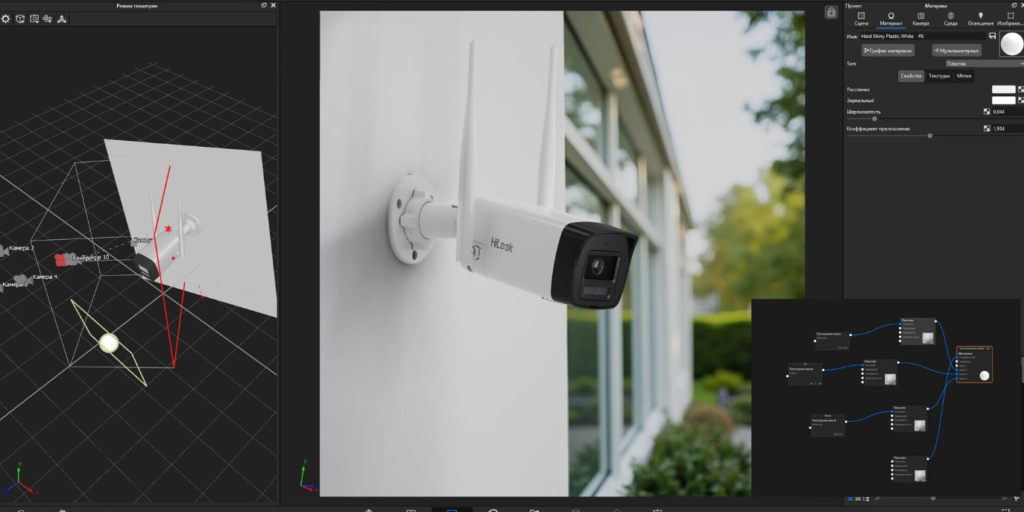
We’ve all been there: scrolling through a feed and suddenly stopping at a picture of a condensation-covered cold brew or a sleek, matte-finish smartphone. You can almost feel the chill of the bottle or the premium texture of the device. This isn’t just a pretty picture; it’s a calculated psychological trigger known as «Visual Hunger.»
In the world of e-commerce and digital marketing, your product doesn’t just need to look good—it needs to look deliciously realistic.
Why «Visually Tasty» Matters
When a product is rendered with high fidelity, it bridges the gap between the digital screen and the physical senses.
- Sensory Triggering: Seeing the way light refracts through a glass of amber liquid or how micro-droplets of water «cling» to a surface triggers a visceral response.
- Building Trust: A high-quality visual signals a high-quality product. If a brand invests in the perfection of its presentation, the consumer subconsciously assumes the same level of care went into the product itself.
- The «Touch» Factor: Since customers can’t pick up your product online, your render must do the heavy lifting of describing texture, weight, and temperature.
The Science of Perfection
Creating these «tasty» visuals isn’t about luck; it’s about controlling physics. To make a product look appealing, you need to master three things: Material Accuracy, Lighting, and Environment. You need to show the subtle imperfections—the slight roughness of an orange peel, the soft glow of a backlight through a liquid, or the crisp reflection of a studio light on a chrome rim. This level of detail is what separates a «CGI-looking» image from a photograph.
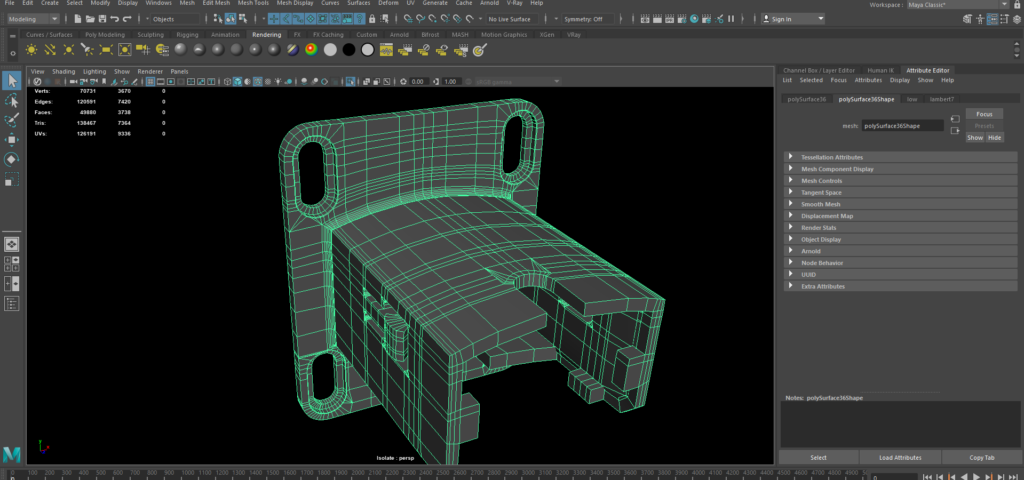
Why I Choose KeyShot for the Job
After years of experimenting with various rendering engines, I have centered my workflow around KeyShot. Here is why it remains my go-to tool for creating these premium visuals:
- Real-Time Speed: KeyShot allows me to see changes instantly. When I’m tweaking the transparency of a liquid or the «glossy streak» of a water droplet, I see the result immediately. This «what you see is what you get» workflow is unmatched for creative flow.
- Scientific Material Accuracy: KeyShot’s materials aren’t just colors; they are based on real-world physics. Whether it’s the IOR (Index of Refraction) of water or the complex scattering of light in plastic, the software does the math for me.
- Powerful Material Graph: The ability to layer effects—like adding a «Geometry Shell» for animated droplets over a frosted glass base—gives me the surgical precision needed to create those «tasty» details that sell.
- Simplicity without Sacrifice: It is intuitive enough to get a fast result, yet deep enough to handle the most complex lighting scenarios a professional project requires.
In the end, my goal is to create an image that makes the viewer want to reach through the screen. And that is exactly why I use KeyShot. It’s the shortest path between a creative concept and a photorealistic masterpiece that drives results.